What We Do
Weekly Meetings
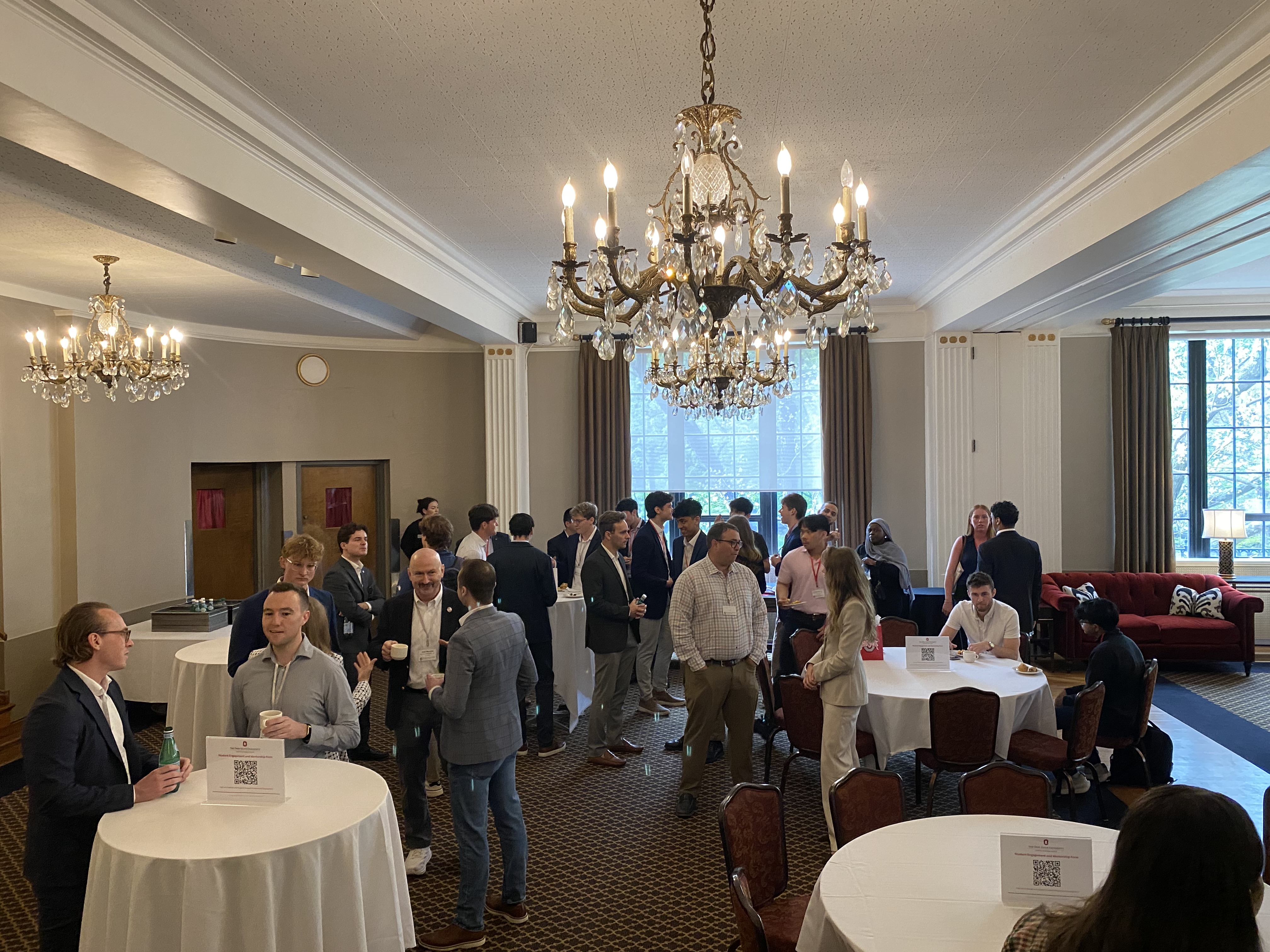
FRES meets weekly for full-club gatherings where students hear from industry professionals, alumni, and peers who are actively involved in real estate. These meetings are designed to connect classroom concepts to the realities of the profession and help members understand what employers are looking for in a strong candidate. The goal is not just to listen, but to learn how the industry works, how people build careers in it, and how students can get involved meaningfully.
Each week brings a different lens onto the field, whether that is a guest speaker, a market update, a skill-building session, or a discussion led by members themselves. Students leave with a clearer understanding of the sectors they are interested in, the questions they should be asking, and the types of experiences that make them more competitive in internships and recruiting.
Because the gatherings happen regularly, they also help create continuity across the semester. Members build familiarity with each other, strengthen their understanding of real estate as a business, and find opportunities to ask better questions, build relationships, and stay engaged with the broader club community. That regular access to insight is one of the easiest ways FRES turns interest into momentum.
Site Tours
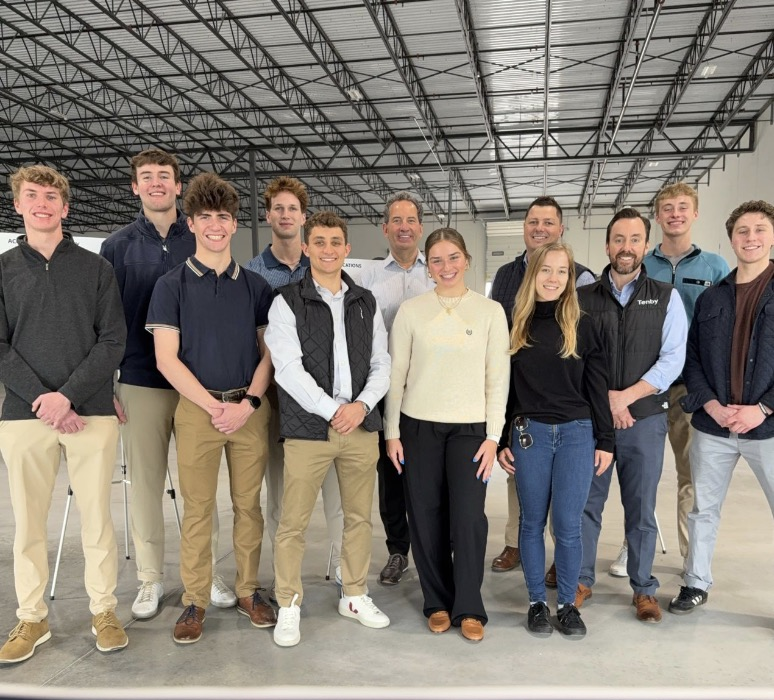
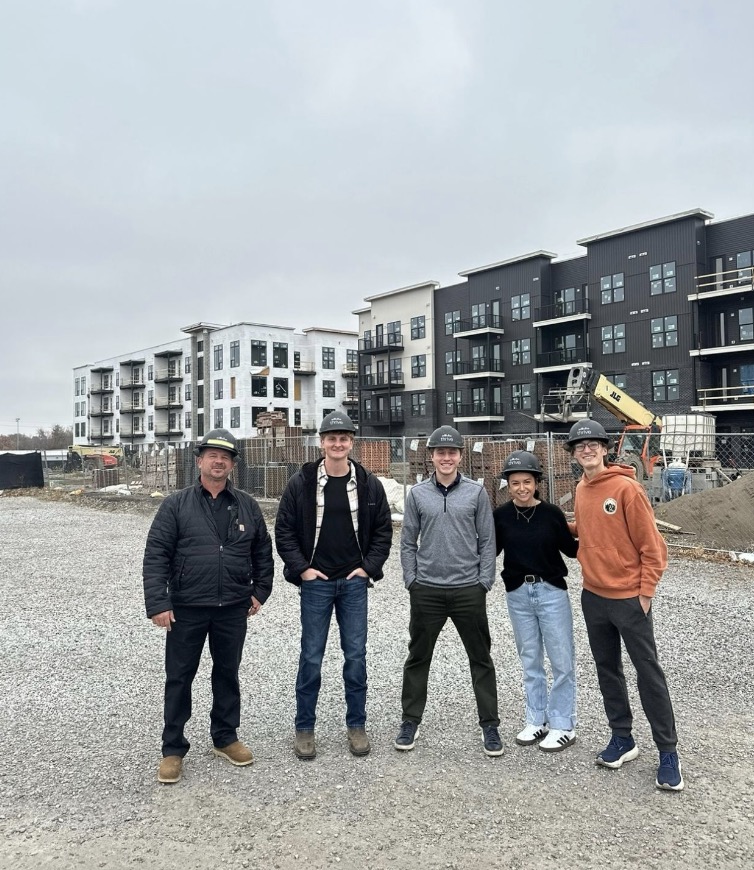
Throughout the year, members visit active developments, operating properties, and project sites to see how real estate decisions translate into the built environment. These experiences give students a much clearer understanding of how buildings are planned, financed, and managed in practice. Instead of learning only from lectures and case examples, members get the chance to observe the real-world details that shape value, feasibility, and execution.
Site tours are especially valuable because they connect abstract concepts to physical reality. Students can see how market demand, design constraints, operating considerations, and timing all influence how a property functions and performs. That perspective helps members connect classroom frameworks to actual decision-making and better understand why certain assumptions matter in underwriting and investment analysis.
These visits also help members understand the importance of location, execution, and long-term strategy in ways that are difficult to fully capture from a desk or a presentation. Seeing the actual assets and neighborhoods involved makes the industry feel more tangible, and it gives students a richer mental model for evaluating opportunities as they move through recruiting and internship experiences.
Mentorship Program
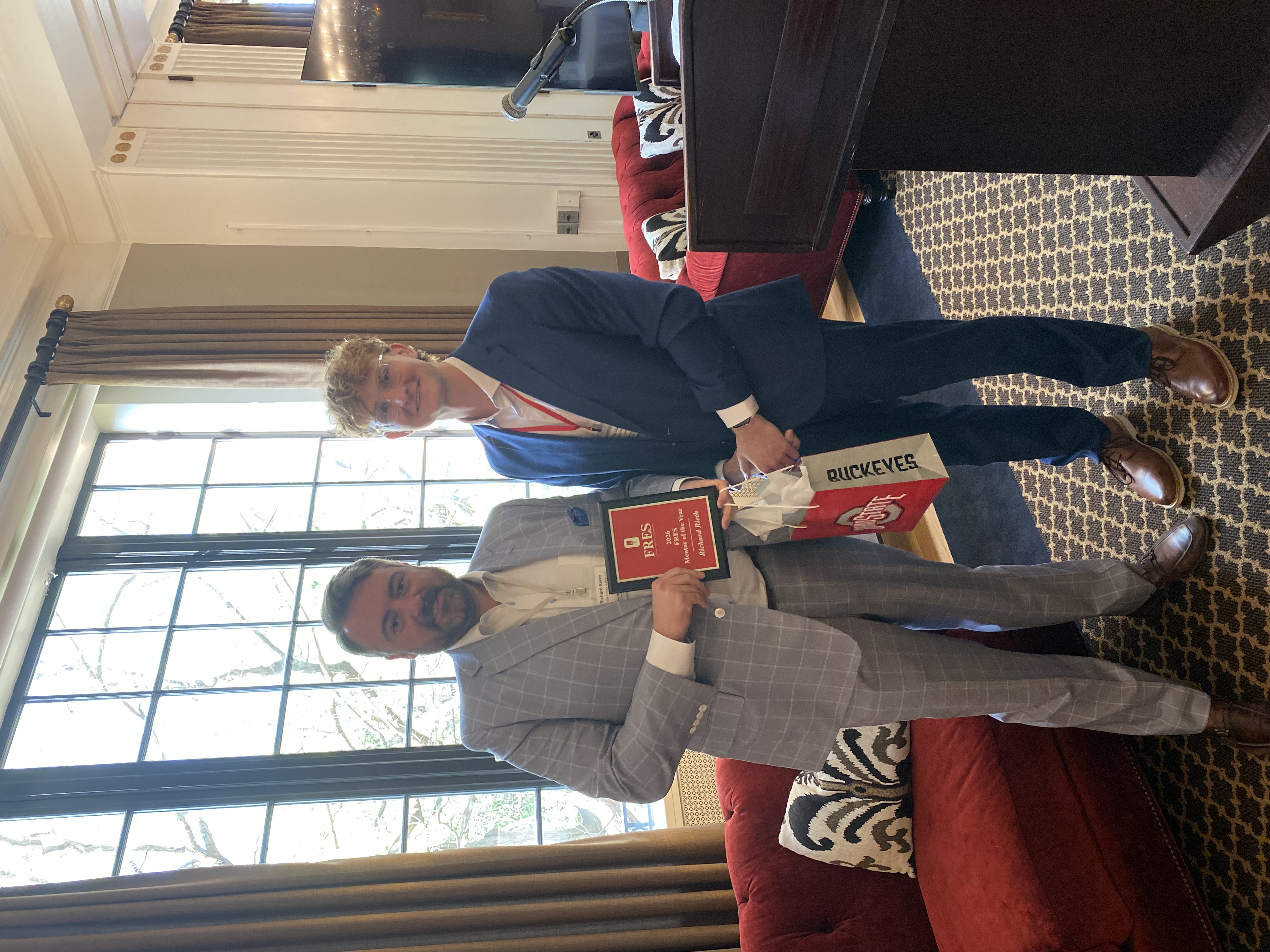
Our mentorship program connects students with upperclassmen and alumni who have already navigated many of the same academic and career decisions. These relationships create a practical support system for members who want guidance on internships, networking, interviewing, and understanding where they fit within the industry. Instead of learning the process in isolation, students can work through it with people who have been through the same transition and know what matters most.
Mentors help students think through resumes, career goals, sector interests, and the kinds of experiences that make them stronger candidates. They also create space for honest conversations about what students want to learn and where they want to grow, which makes the experience much more personal and useful than a one-time event or recruiting conversation. That kind of long-term guidance is especially important in a field like real estate, where careers often develop through relationships and exposure.
Because these connections are ongoing, the mentorship experience creates continuity between the classroom and the job search. Members are not only exposed to the industry; they are guided through the process of figuring out where they fit, what they want to learn next, and how to build momentum over time. It gives the club a stronger sense of community and a more direct connection to individual student development.
Sector Teams
Each semester, members are divided into sector-specific teams that focus on areas such as multifamily, office, retail, industrial, hospitality, and credit. These teams give students a structured way to explore different parts of the industry through targeted research, market evaluation, and thoughtful discussion. Members analyze trends, compare local conditions, and develop a stronger understanding of how each property type performs under different economic and operational conditions.
Working in teams helps students sharpen both analytical and communication skills. They learn how to synthesize large amounts of information, support conclusions with evidence, and present decisions in a professional, persuasive way. The process mirrors real investment and asset evaluation work, which makes the experience both educational and immediately relevant to future internships and job opportunities.
It also creates a stronger sense of ownership within the club. Students are not simply learning about the industry from the outside; they are contributing to deeper conversations about how different sectors work and what makes a strategy compelling. That hands-on experience is one of the clearest examples of how FRES gives members practical exposure to the business beyond the classroom.